Making Homes Affordable
Recently, two of my former students stopped by to catch up on life after graduation.
Maria and Dillan both work in the world of health care. Both have done incredibly well. Despite this, given popular headlines, they doubt being able to afford a house.
It is an interesting concern we hear not only from recent college graduates, but Millennials and Gen-Zer’s.
But is housing really that much more expensive? In reviewing current listings, they are more expensive than home prices fifty years ago. But is that all there is to consider?
According to the U.S. Census Bureau, the average home in 1970 was about 1,500 square feet with three bedrooms, but only one full bath. Sharing a bathroom was the norm. This comfortably slept an average of 3.14 people.
This meant each person could claim 477 square feet.
This slice of heaven cost $17 per square foot, or approximately $104 per square foot adjusted for inflation.
In comparison, the average house today runs nearly $180 per square foot. At about 73% more, that is quite a bit more expensive and seems to document the increase in housing. But there is more to consider.
Homes are more expensive per square foot and the average home is significantly larger. The average home today is 2,400 square feet, but the average family is only 2.5 people.
Given this, the average person can sprawl out on 960 square feet. Wow, double the space per person. Now the average home doesn’t seem quite as expensive.
Furthermore, even starter homes are packed full of amenities like granite countertops, a full array of electric appliances, multiple bathrooms and giant kitchens. When you compare how the average home has changed since 1970, there is also quite a bit more value stuffed inside.
As we discussed this, the couple just looked at me. Dillan said he understood my math and logic, but felt no closer to being able to buy a home.
I don’t think they are alone. But we all make choices that compete for a very limited pool of dollars. If you are serious about saving for a house (or anything else), here are some suggestions.
Cook at home. Food away from home is one of the heaviest discretionary burdens for adults under 35. Millennials spend an average of $3,455 annually dining out, while Gen Z averages $2,483. Delivery apps dramatically amplify this spending. CNET data shows millennials spend an average of $4,154 annually on takeout and delivery. Service charges, hidden platform markups, and delivery fees can double or triple the price of a standard meal.
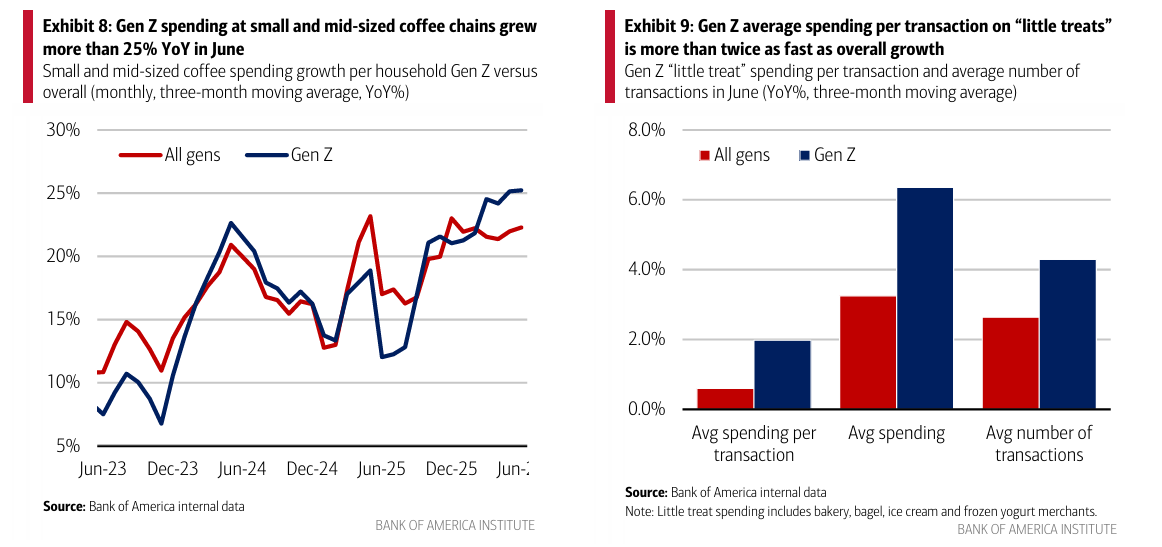
Cut back on treats. Data indicates 57% of Gen Z consumers buy a small “treat” (specialty coffees, premium snacks, wellness drinks, or minor luxury goods) each week. Routine premium grocery splurges (like specialty sodas or meal-prep kits) and daily $6 coffees add up quickly. These minor indulgences frequently average $100 to $150 per month ($1,200 to $1,800 annually).
Trim subscriptions. Streaming video, music, gaming, and app subscriptions have become a recurring utility. The average consumer frequently underestimates their passive digital spend due to auto-renewals. While an individual platform costs $10 to $20, the average young adult maintains multiple concurrent services, alongside gym memberships or retail subscriptions, pushing total costs to $80 to $120 per month ($960 to $1,440 annually).
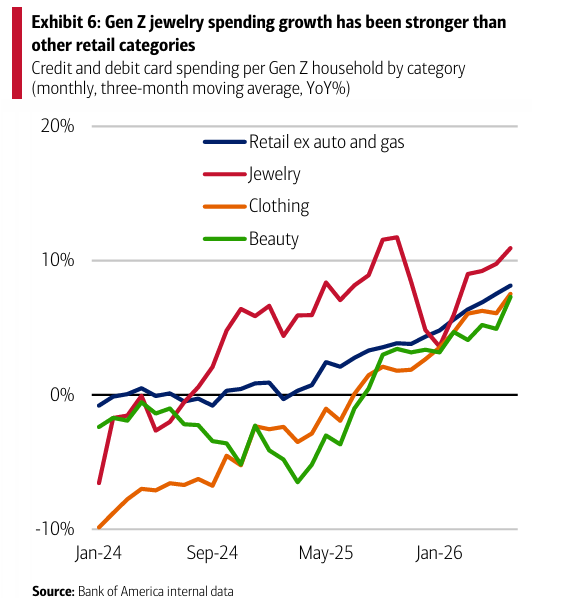
Fashion and Social Events. Social events, concerts, festivals, and clothing bought for them constitute a core spend for under-35 households. Millennials and Gen Z allocate significant funds to apparel, with over 42% of millennials identifying clothing and out-of-home entertainment as primary expenses. Combined spending on tickets, travel for social occasions, and wardrobe updates frequently exceeds $2,500 annually.
Maria and Dillan looked at each other, laughing nervously. They knew they spent money in these categories and could be more careful with their budgets.
As we finished, I told them we can’t take a vow of poverty and spend nothing. But spending requires choices and opportunity cost. I suggested an annual spending audit to make sure your spending stays below pay raises. This allows you to save.
As outlined, there are many ways to save and afford a house. No one said your first house had to be a Taj Mahal. Find something in the 1,500 square foot range. No one said you couldn’t have roommates. Billionaire entrepreneur Mark Cuban started out with five roommates in a three-bedroom apartment. If it is good enough for Cuban, it’s worth consideration.
The above items amount to nearly $10,000 per year on truly discretionary items. By tightening the budget a bit, nicer housing becomes more affordable.
Dave Sather is a Certified Financial Planner and the CEO of the Sather Financial Group, a “fee-only and fiduciary” investment management and strategic planning firm.